
Scale Weight vs. Body Fat: What’s the Real Difference?

Updated: Feb 7
Many people think losing weight means the number on the scale must go down. But the scale does not tell the whole story. To understand health and fitness better, it helps to know
the difference between scale weight and body fat loss.
What Does the Scale Really Show?

The scale measures total body weight. This includes fat, muscle, water, bones, and organs. Because of this, the scale cannot tell what kind of weight you are losing or gaining. Your weight can change from day to day for many reasons. Drinking water, eating food, or building muscle can all make the number go up. Likewise, water weight fluctuations also affect the number on the scale, in which hydration and dehydration will either cause the weight to increase or decrease on a daily basis. Losing fat while gaining muscle can make the scale stay the same. This is why the scale alone can be misleading. Research shows that body weight often changes because of water and food, not just fat loss (CDC, n.d.; NIH, n.d.).
Body Fat Loss: The True Measure of Fitness

Body fat loss focuses on losing fat while keeping or gaining muscle. This is a better sign of health than scale weight alone. Muscle is denser than fat, which means it takes up less space in the body. Due to this, a person may look slimmer even if the scale does not change. Clothes may fit better, and the body may feel stronger. Studies show that gaining muscle and losing fat helps support strength, bone health, and overall wellness (ACE, n.d.; ACSM, n.d.; Mayo Clinic, n.d.).
Why the Scale Can Be Confusing

It is possible to lose fat and gain muscle at the same time. When this happens, the scale may not move, but the body shape changes. This is why fitness experts say the scale should not be the only way to measure progress.
Better Ways to Track Progress
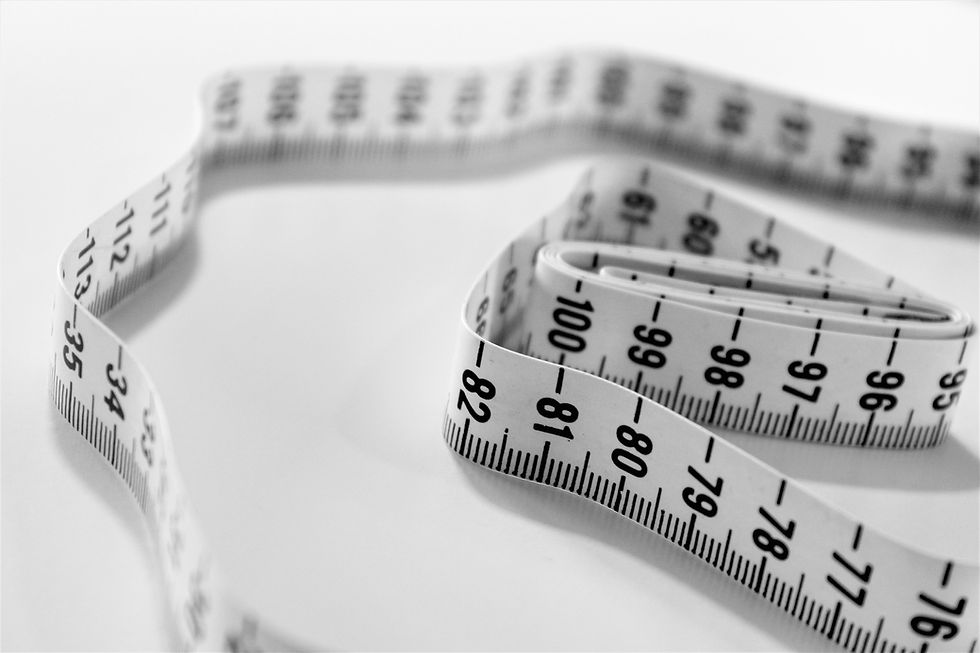
Body measurements can show changes that the scale cannot. Measuring areas like the waist, hips, arms, and chest can help show fat loss. Progress photos are another helpful tool. Looking at photos over time makes it easier to see changes in body shape. Body fat percentage can also give useful information. Tools like skin fold calipers or body fat scanners help show how much of the body is fat compared to muscle. These tools are not perfect, but they give more detail than the scale alone.
The Big Picture
The scale shows total weight, not fat loss. Body fat loss is a better sign of fitness and health. Muscle gain can hide fat loss on the scale, which is why other tools are important.
Health is not just a number. Feeling stronger, healthier, and more confident matters more than what the scale says.
References
American Council on Exercise (ACE). (n.d.). Methods of measuring body composition.
American College of Sports Medicine (ACSM). (n.d.). ACSM’s guidelines for exercise testing and prescription.
Centers for Disease Control and Prevention (CDC). (n.d.). Healthy weight, nutrition, and physical activity.
Mayo Clinic. (n.d.). Strength training: Get stronger, leaner, healthier.
National Institutes of Health (NIH). (n.d.). Body composition.


Comments