
Macronutrients Made Simple: Carbs, Protein, and Fats

When we talk about healthy eating, we often hear the words carbs, protein, and fat. These are called macronutrients. “Macro” means large, and our bodies need these in larger amounts compared to vitamins and minerals.
Your body needs all three.
1. Carbohydrates: Your Body’s Fuel
Carbohydrates give your body energy. When you eat carbs, your body turns them into glucose (sugar), which fuels your brain and muscles.
Common carbohydrate foods:
· Whole grains (brown rice, oats, quinoa, whole wheat bread)

· Refined grains (white bread, white rice)
· Fruits
· Vegetables
· Beans and lentils
· Sugary drinks and sweets
But not all carbs are equal. Whole grains contain more fiber because they include the bran and germ parts of the grain. Refined grains remove those parts, which lowers fiber and nutrients. Fiber is important because it supports digestion and helps lower the risk of chronic diseases
The Dietary Guidelines for Americans recommend prioritizing fiber-rich whole grains and limiting refined carbohydrates as part of a healthy way of eating.
2. Protein: The Builder
Protein helps build and repair your body. It supports your muscles, skin, hair, and immune system.
Foods that are high in protein:
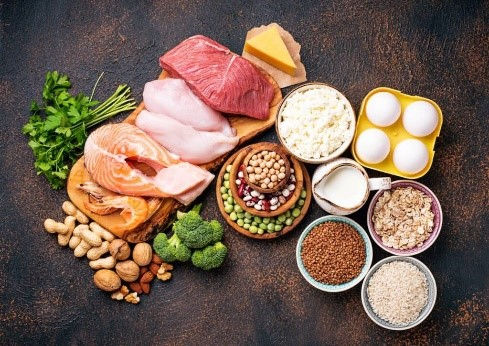
· Chicken
· Fish
· Beef
· Eggs
· Tofu
· Tempeh
· Beans
· Lentils
· Greek yogurt
· Nuts and seeds
Eating protein at meals can help you feel full longer.
3. Fat: The Support System
Fat is important for your body. It helps to protect your organs, support brain health, absorb certain vitamins, and keep you full.
Healthy fats include:
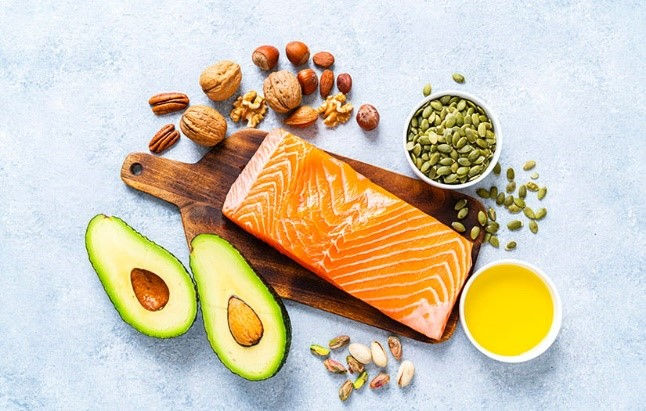
· Avocado
· Olive oil
· Nuts
· Seeds
· Fatty fish (like salmon)
Not all fats are the same. Try to limit fried foods and highly processed snacks.
Do Foods Have Only One Macronutrient?
No. Most foods have a mix.
Milk has carbs, protein, and fat.
Nuts have fat and protein.
Beans have carbs and protein.
Yogurt has protein and carbs.
That is why balanced meals matter. Your body needs carbs, protein, and fat. Carbs give you energy, protein builds and repairs, fat supports your body and brain. Instead of cutting out one group, focus on balance. The World Health Organization also recommends eating a balanced meal pattern that includes whole grains, fruits, vegetables, and limiting free sugars.
A healthy meal usually includes:
✔ A source of carbs
✔ A source of protein
✔ A source of healthy fat
All three work together to keep you strong and energized.
References
U.S. Department of Agriculture & U.S. Department of Health and Human Services. (2020). Dietary Guidelines for Americans 2020–2025
World Health Organization. (2023). Healthy diet fact sheet.


Comments